








 English
 Français
 Deutsch
 Italiano
 Español
Non-fiction
Technologie
 Publié le 6 juil. 2026
Mis à jour le 14 juil. 2026
Publié le 6 juil. 2026
Mis à jour le 14 juil. 2026
 5 min
5 min
Non-fiction
Technologie
Publié le 6 juil. 2026
Mis à jour le 14 juil. 2026
5 min


Artiste, créateur, inventeur. Guitariste de formation.Entrepreneur de tradition. Fondateur de Panody...
 Label de transparence créative
 Tous publics
 Image /
Image humaine
Image /
Image humaine
 Texte /
Création hybride humain et IA
Texte /
Création hybride humain et IA


 Contribuer
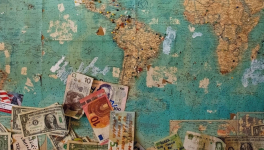
Few countries have oil. All have stories
Geneva, July 2026
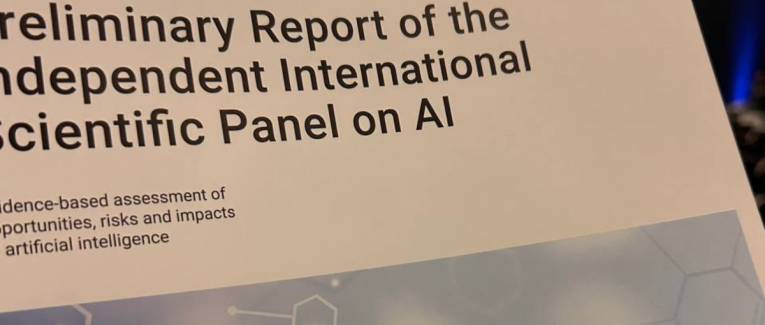
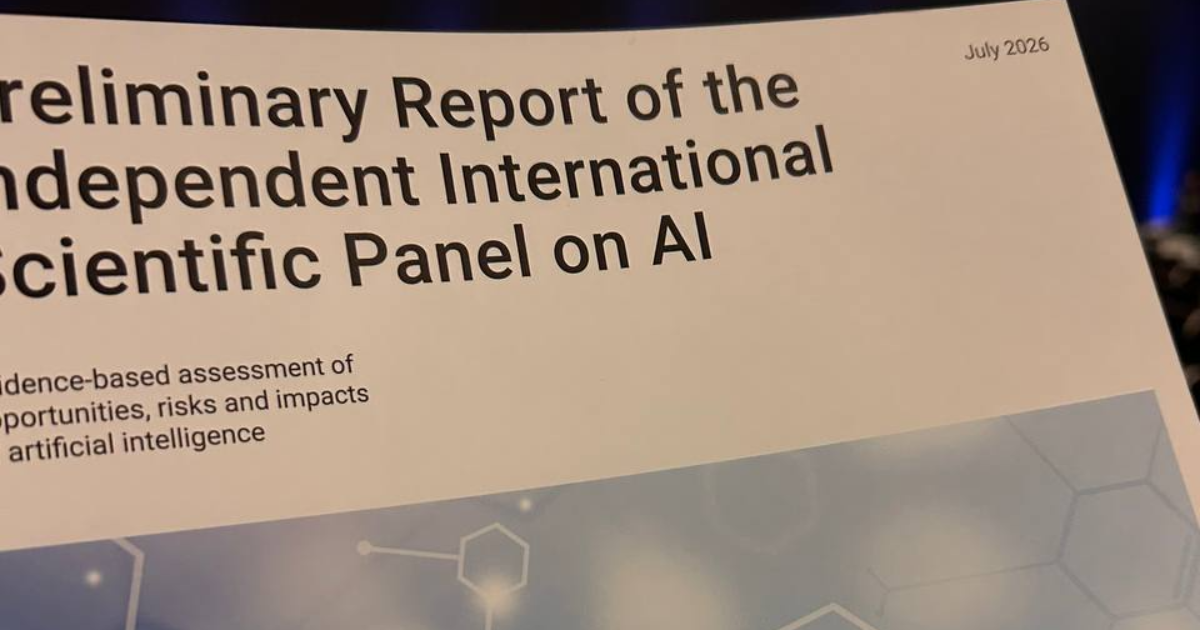
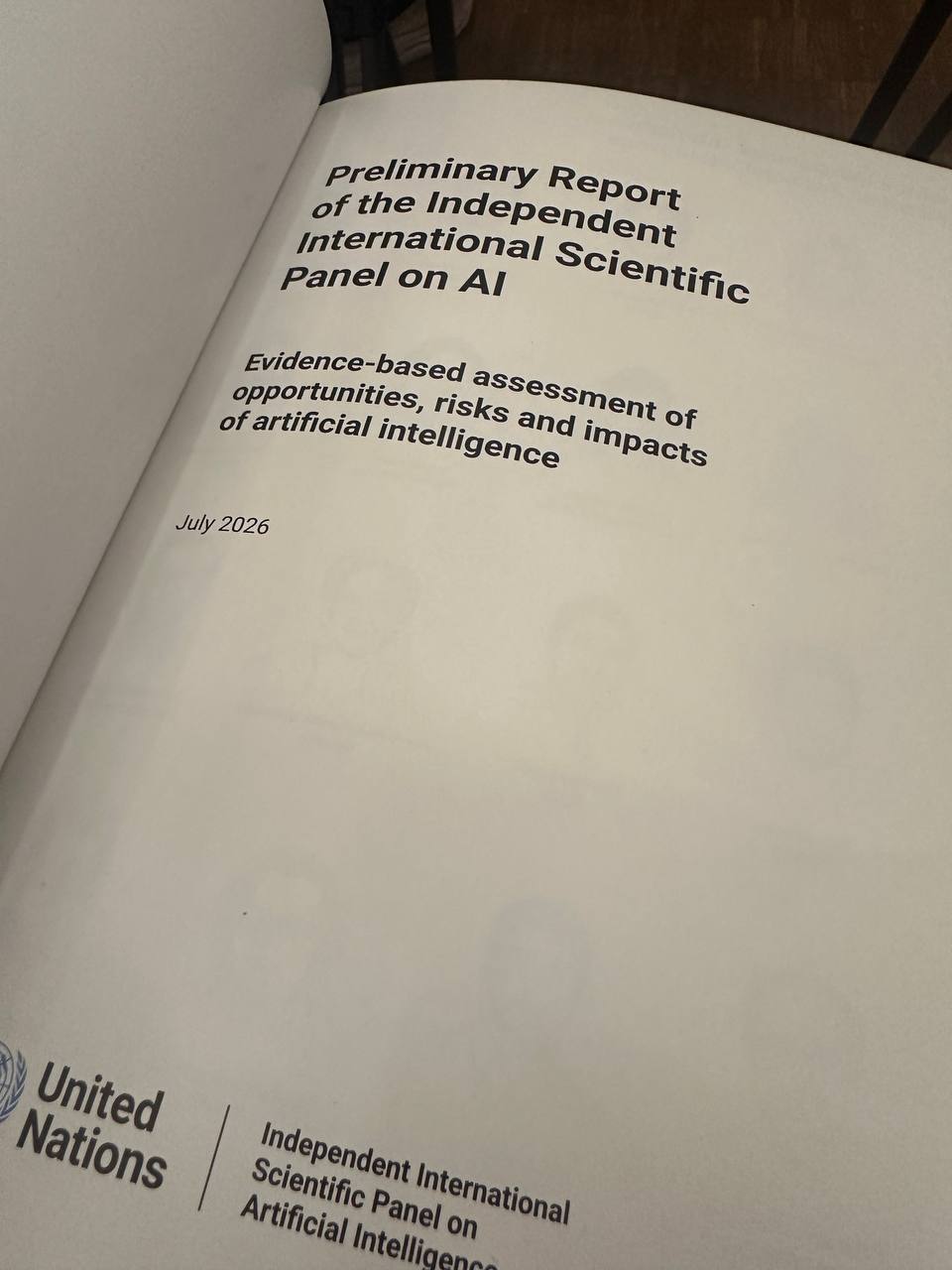
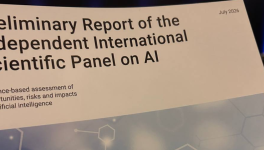
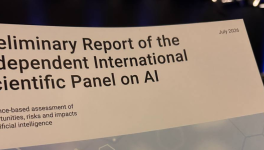
 Ahead of the first Global Dialogue on AI Governance opening in Geneva, the Independent International Scientific Panel on AI has published its preliminary report, the first global, independent scientific assessment of this technology, presented to the Nations by António Guterres, Yoshua Bengio and Maria Ressa. One figure, just one, deserves our attention:
75% of the world's AI computing power is in the United States. 15% is in China.
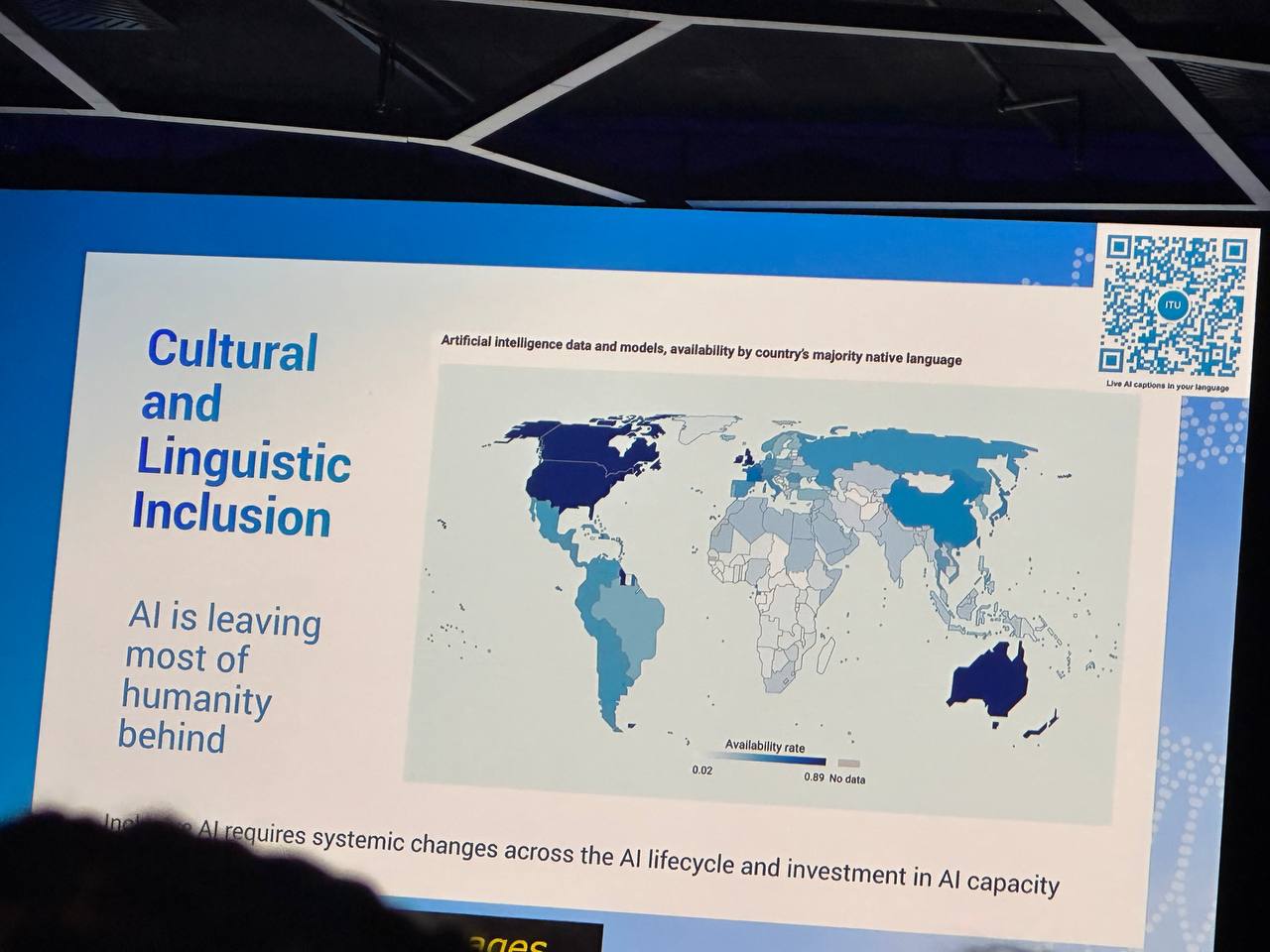
 The rest of the world, Europe, Africa, Latin America, South Asia, the Pacific, shares what remains. Which is to say: almost nothing. The report also says, in diplomatic terms, what I will say here in plain ones: the machines that write, that tell stories, that already teach our children, are trained elsewhere, on other people's narratives, in other people's languages.
We have seen this film before.
Thirty years ago, the consumer internet opened its doors. We were promised diversity. We got uniformity and the concentration of influence and wealth. The digital world did to the planet what McDonald's and Coca-Cola did to taste: a global standard, comfortable, efficient, and in the end: bland.
Thirty years later, no one has caught up. No one. That is the lesson we must retain, the only one that matters today:
This kind of delay is never made up.
And we are now taking exactly the same start, with exactly the same naivety, on a technology infinitely more powerful.
The French language does not exist. There is a multitude of them.
Take French. It does not taste the same in Dakar and in Rouen, Normandy. It does not carry the same stories in Tangier, in Madagascar, in Polynesia. The joys and sorrows of past centuries are not told there with the same words, the same silences, the same images, the same songs and sounds.
That diversity, no AI model knows it today. Because no one has ever shown it to them. An AI that has never read you cannot tell your story.
 So I invite the decision-makers, the creators and the readers of the Nations to ask themselves one simple question: what will remain of your language, your dialects, your memories, if you do not get to work now to remind today's printers of the digital age who you are, where you come from, and what makes your cultures noble?
Not tomorrow. Now. We are all already late.
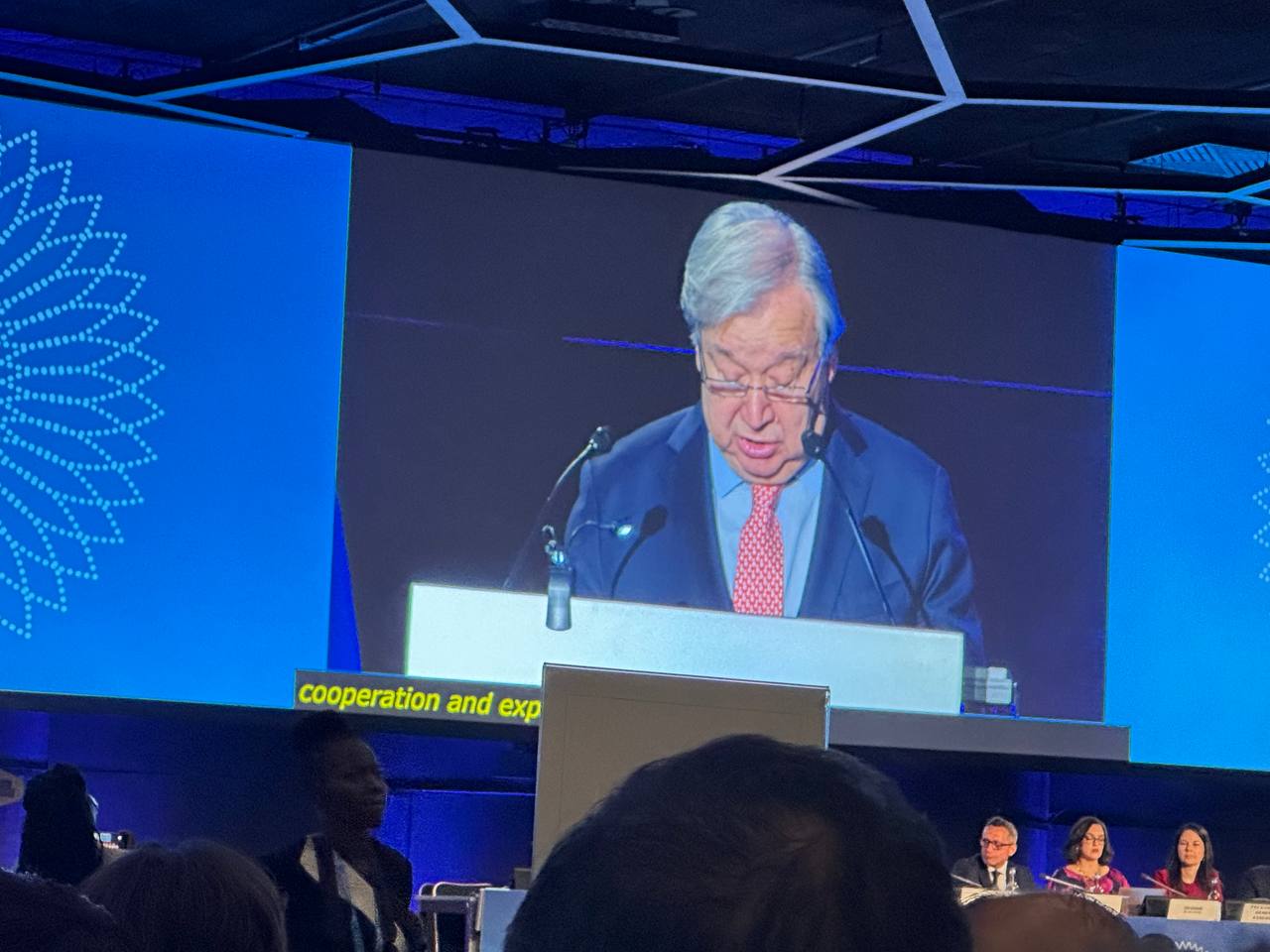
In Geneva this week, the Secretary-General of the United Nations told governments: "Do not wait. The science is here. We can no longer say we did not know."
The work to be done is known. It is within reach.
We must build documented digital reservoirs, well ordered, well connected. Corpora filled by millions of creators, living and gone. Works identified, contextualized, protected, and connected to AI systems, under economic conditions that respect new balances yet to be steered.
This is not a preservation project. It is a project of existence.
By doing this work now, you play three moves at once:
(1) You exist in the world's digital geopolitics — instead of being subjected to it.
(2) You pass on to future generations educational tools in their own language, nourished by their own history.
(3) And you create the conditions for a new economic life. Because in the AI economy, stories are a resource. A resource that can be cultivated, valued, bought.
Few countries have oil. All have a history, a language, a culture, data and stories to tell.
Since 2019, at Panodyssey, we have been building digital cathedrals, stone by stone, honouring the signature of every author. So yes: it is possible to draw the lines of a digital world other than the one we do not want.
The cathedrals of old took centuries and generations of anonymous builders. None of them saw the finished work. All of them knew why they were cutting stone. We are that generation. The one laying the foundations of what the machines will know of humanity.
Let no one write your story in your place.
 Your languages have survived wars, exiles, centuries. They did not survive all that to vanish in silence into the statistics of a model trained elsewhere.
The written word of humanity deserves better than another obscure algorithm, Made in USA or Made in China.
It deserves a thousand and one cathedrals.

Transparence autour de la création, usage IA

Texte principal
Translated by Claude / Version Fable 5 - From French Version (Original Master)

Tags
Translated by Claude / Version Fable 5
Propriété intellectuelle et crédits

© Image de Couverture
Alexandre Leforestier - Human Creativity - Pics taken by the Author

© Texte principal
Alexandre Leforestier

© Autres images dans ton texte
Alexandre Leforestier - Human Creativity - Pics taken by the Author
Gestion des licences Creative Commons

Crédit requis, pas de modifications, usage non commercial uniquement
CC BY-NC-ND
La clause du chat
You can use it to train ! Because I decided it, the Notice is the proof !




 Technologie







 Tu peux soutenir les auteurs qui te tiennent à coeur







Commentaire (0)