








 English
 Français
 Deutsch
 Italiano
 Español


Non-fiction
Technology
 Published Aug 31, 2026
Updated Aug 31, 2026
Published Aug 31, 2026
Updated Aug 31, 2026
 4 min
4 min

Non-fiction
Technology
Published Aug 31, 2026
Updated Aug 31, 2026
4 min


Jan van den Berg heeft ruim 40 jaar ervaring in projectmanagement, met focus op EPC-projecten in off...
 Creative Transparency Label
 All audiences
 Image /
Human image
Image /
Human image
 Text /
Human creation
Text /
Human creation
 Contribute
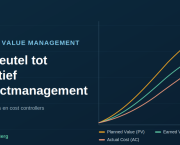
From Costs to Value: How Investment-Based Project Management (IBPM) Can Save Infrastructure Projects
In recent years, the maintenance backlog of bridges, civil structures, and major infrastructure projects in the Netherlands has become a growing concern. Whether it's the HSL bridges, the KARGO Project in the Port of Rotterdam, or other critical structures, we're seeing delays, cost overruns, and deferred maintenance across the board. The question is: How did we get here in a country known for its innovation and efficiency?
The answer lies, in part, in how we approach projects. Too often, we focus on the short term, treating projects as cost centers rather than investments. But what if we changed that?
The Problem: Short-Sighted Project Management
Take the KARGO Project in Rotterdam, for example. This ambitious initiative, aimed at sustainable and efficient cargo handling, shows how complex projects can go off track under traditional Project management approaches. The focus is often on:
- Budget control (How do we keep costs in check?)
- Scheduling (How do we deliver on time?)
- Risk management (How do we avoid problems?)
But a value-driven approach is missing. Projects like KARGO aren't just costs—they are investments in our economy's future, sustainability, and competitiveness. If we treat them only as cost centers, we miss the opportunity to maximize their value.
The Solution: Investment-Based Project Management (IBPM)
This is where Investment-Based Project Management (IBPM) comes into play. Based on the groundbreaking work of Stephen Deveaux, IBPM shifts the focus from "How much does it cost?" to "How much value does it create?" It does this through four key concepts:
1)Value Breakdown Structure (VBS)
Instead of breaking projects down into cost items, IBPM breaks them down into value components. What does each part of the Project contribute to the overall value? For the KARGO Project, this means looking not just at construction costs but also at the long-term benefits like efficiency, sustainability, and economic growth.
2)Drag & Drag Cost
Delays in projects like KARGO don't just have direct costs—they also incur hidden costs (Drag Cost). Think of missed opportunities, loss of competitive advantage, or additional maintenance costs due to deferred work. IBPM helps map and minimize these hidden costs.
3)Estimated Project Profit (EPP)
Traditional project management measures success based on budget and time. IBPM adds profit to the equation. What is the true ROI of the Project? For KARGO, this means looking not just at construction costs, but also at returns in efficiency, sustainability, and economic impact.
4)Strategic Alignment
IBPM ensures projects align with the organization's strategic goals. For KARGO, this means aligning the project with the Port of Rotterdam's long-term vision, rather than focusing only on short-term delivery.
Why IBPM Works
IBPM isn't just theory—it's a practical approach already used across sectors, from oil and gas projects to large-scale infrastructure works. By treating projects as investments rather than cost centers, you can:
- Make better decisions based on value, not just cost.
- Minimize delays and hidden costs.
- Achieve maximum ROI for both public and private projects.
What to Expect in This Creative Room
In this IBPM Creative Room, I'll dive deeper into how you can apply IBPM to your own projects. Over the coming weeks, you can expect:
- In-depth articles on VBS, Drag, Drag Cost, and EPP.
- Case studies (like KARGO and other infrastructure projects).
- Templates and tools to apply IBPM directly.
- Discussions on challenges and solutions in Project management.
Call to Action
Are you ready to approach projects differently? Do you want to learn how to apply IBPM in your own work? Then follow this Creative Room and join the discussion!
Leave a comment if you have questions or specific topics you'd like to see covered. Let's work together to transform projects from cost centers into value creators!
Jan van den Berg
Intellectual property & credits

© Author's name / pen name
Jan van den Berg





 Technology











 You can support your favorite writers







Comments (0)