








 English
 Français
 Deutsch
 Italiano
 Español

Non-fiction
Society
 Publicado el 22, jun, 2026
Actualizado 22, jun, 2026
Publicado el 22, jun, 2026
Actualizado 22, jun, 2026
 5 min
5 min
Non-fiction
Society
Publicado el 22, jun, 2026
Actualizado 22, jun, 2026
5 min


Copywriter, political activist, former and aspiring local politician. Based in the Netherlands, writ...
 Creative Transparency Label
 All audiences
 Image /
Human image
Image /
Human image
 Text /
Human creation
Text /
Human creation


 Colaborar
Here's why your local market is priceless
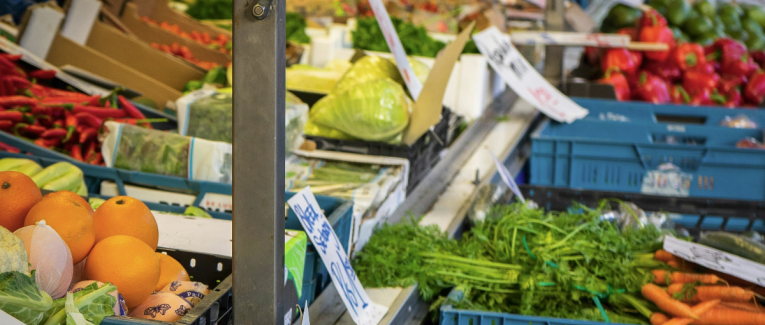
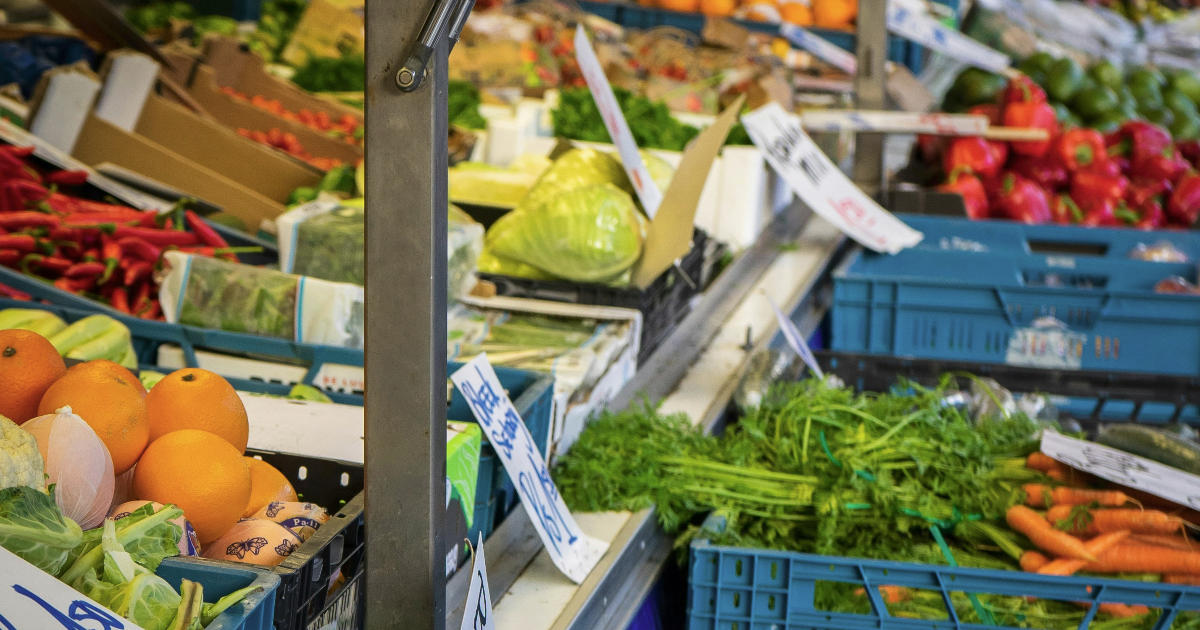
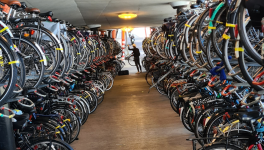
Cover photo by Julian Steenbergen on Unsplash.
Go and touch grass. If you've engaged in the noble art of arguing with strangers on the internet lately, there's a good chance you've been told go and do it, and (frankly) it's often not a bad idea.
With online shopping, self-service checkouts, AI customer service agents, flash delivery services and all kinds of social media, its never been easier to while away great chunks of your life online, enjoying all the conveniences of our modern digital world.
There are three little problems with that, though:
- Being online so much is probably making you lonely
- Contemporary consumer habits are unsustainable for the planet
- Many supply chains are extremely unfair for producers.
So, touching grass isn't actually a bad idea, and it's an even better idea if you're touching it on your way to your local market. Here's why.
Fight loneliness with face-to-face contact
Modern life is busy, but there's nothing more valuable than your health, and that includes your mental well-being. Setting aside time in your busy week to go to a market, farm shop or similar may seem wildly impractical, but the reality is it probably takes no more time than an average doom scrolling session does.
Studies suggest the more time you spend on social media the lonelier you feel, and lonelier people can expect to live shorter lives, so this isn't a trivial matter.
A market isn't going to come to you- it's going to require you to leave the house, you're going to be surrounded by other people, you'll have to have face-to-face interactions to get what you need, you might make a fool of yourself calling a vegetable by the wrong name, and it'll be good for you.
Going to the same place regularly can help you to build relationships as others recognise you and learn about you. You won't necessarily become best friends with the guy who sells you potatoes, but turning a stranger into somebody you can have a little chat with is already a big win in the fight against loneliness.
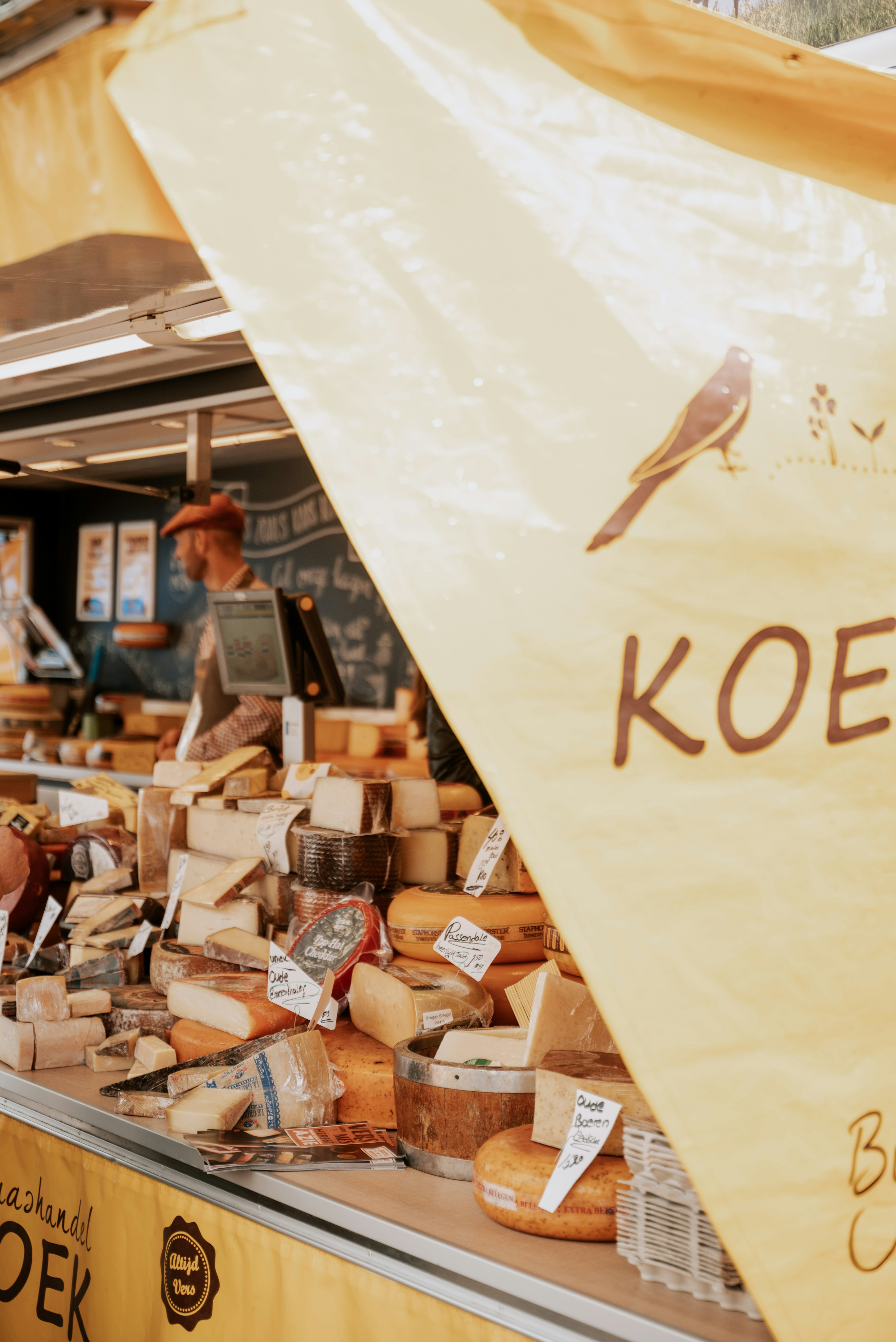
Photo by Mieke Campbell on Unsplash.
Convenience breeds contempt
If the perceived value of an item is influenced by how easy it was to acquire it, many of us don't value food very highly. Whether it's a fast food burger or a packet of prepared lettuce from a supermarket, food is very much a grab-and-go convenience, and that shows in the way we waste it.
As shown in the chart below, each person in the European Union wastes over 130kg of food each year (on average, based on 2021 data) and that has big consequences.
Producing that food takes up a vast amount of resources, including water, feed for livestock, electricity processing it, ship, jet and truck fuel to transport it, not to mention all of the pesticides, herbicides, antibiotics, etc, involved in commercial food production.
And once the food is done going mouldy in your fridge, it releases greenhouse gases as it decomposes too, just as one last polluting farewell.
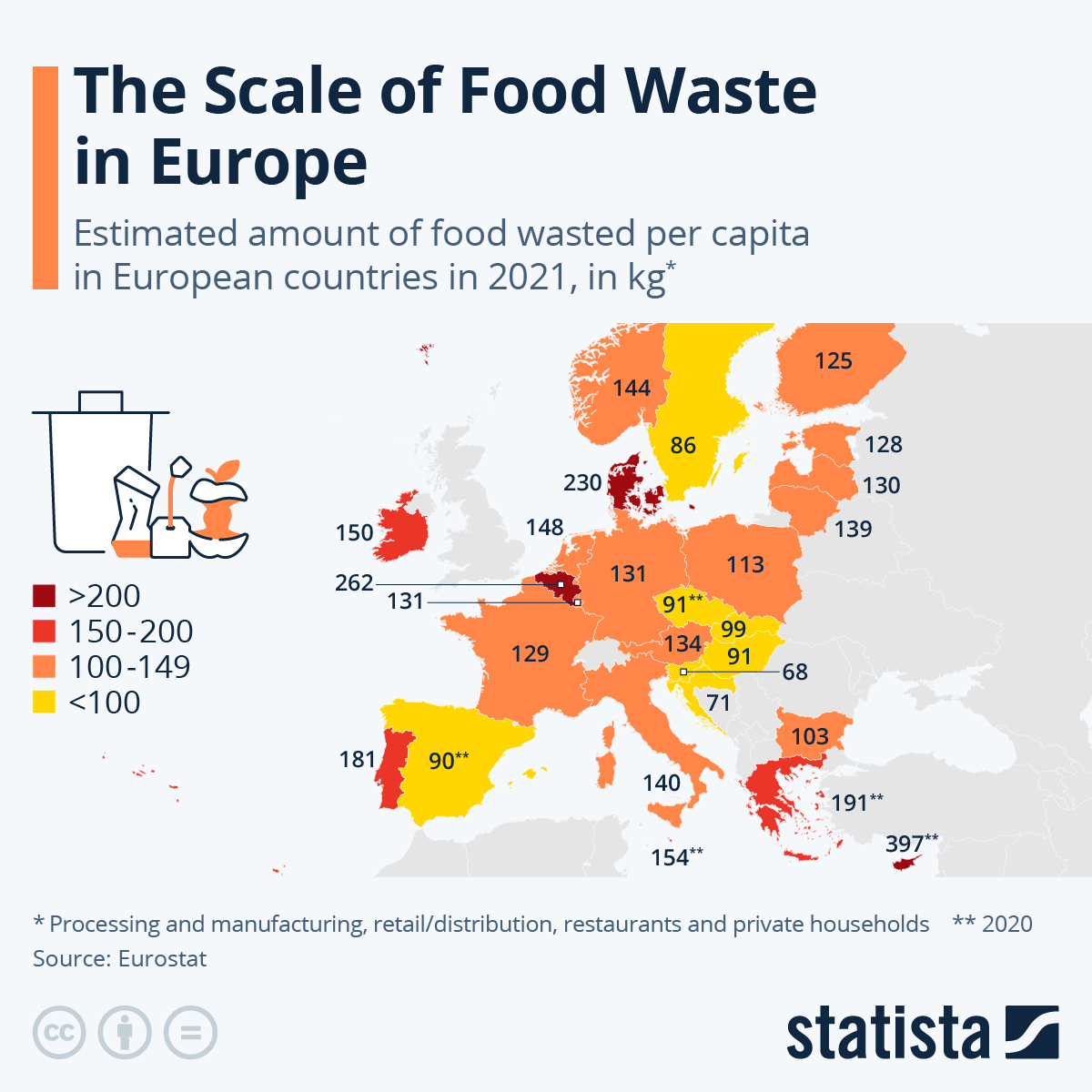
Chart by statista.
Support local producers
When a farmer sells their goods into a supermarket supply chain, the supermarket uses its position to negotiate hard, to drive down the amount the farmer gets so that they can sell at competitive prices and maximise profits.
While it's tempting (as a consumer) to see this as a good thing for your wallet, the long supply chains associated with supermarkets inevitably mean waste, and you're the one paying for it.
You might get your steaks for a good price, but once everyone else in the supply chain has had their share of the price you paid, the farmer at the end of the line ends up with very little, and that's a problem if we want farmer to be an attractive and sustainable industry.
This is why more and more producers are turning to short chains- cutting out the intermediaries (logistics companies, storage facilities, and supermarkets) to get the most out of what they product.
Of course, not every stall holder at your local market is going to be an actual farmer selling his or her own products, but the fewer parties involved in a sale, the fewer people (or multinational corporations) are taking a cut from what you spend.
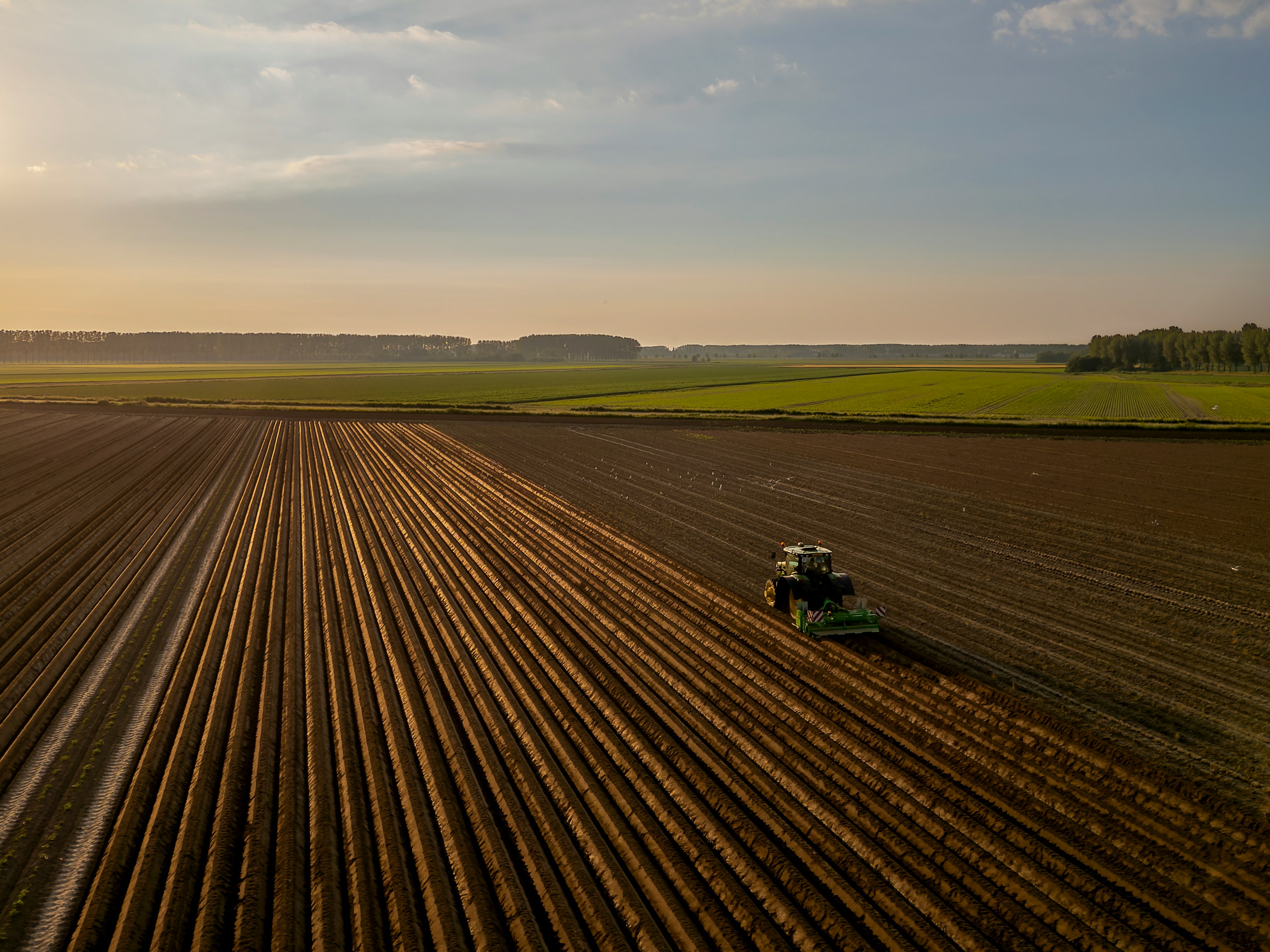
Photo by Tom De Decker on Unsplash.
For people and planet
I'll be heading down to my local market tomorrow, and I hope I'll see you there.
Intellectual property & credits

© Cover Image
Julian Steenbergen

© Author's name / pen name
Jeremy Bellamy

© Other images in your text
Mieke Campbell, statista, Tom De Decker

Sources, citations, co-authors
Wageningen University, Comparitech, NIH, Springer Nature, Water Footprint Calculator, statista.
Creative Commons license

Attribution required, commercial
use permitted CC BY
use permitted








 Tecnología


















 Puedes apoyar a tus escritores favoritos







Comentario (0)