








 English
 Français
 Deutsch
 Italiano
 Español
Non-fiction
Technik
 Veröffentlicht am 13, Juni, 2026
Aktualisiert am 24, Juni, 2026
Veröffentlicht am 13, Juni, 2026
Aktualisiert am 24, Juni, 2026
 4 min
4 min
Non-fiction
Technik
Veröffentlicht am 13, Juni, 2026
Aktualisiert am 24, Juni, 2026
4 min




Artiste, créateur, inventeur. Guitariste de formation. Entrepreneur de tradition. Fondateur de Panod...
 Creative Transparency Label
 All audiences
 Image /
Human image
Image /
Human image
 Text /
Hybrid - by humans and AI
Text /
Hybrid - by humans and AI


 Beitragen
What if your texts became visible again in the age of AI?
Today, publishing a text no longer guarantees existence
Content circulates, gets picked up, reformulated, absorbed by artificial intelligence systems, without it always being possible to know where the original work begins or ends. For an author, this profoundly changes the very nature of writing.
The problem is no longer simply about being read. It becomes: remaining identifiable as an author over the years...
A silent shift is underway
For a long time, publishing was enough to exist. A text online was a trace, a signature, a proof. That is no longer entirely true.
In an environment dominated by generative AI, content is remixed, reinterpreted, recomposed, sometimes detached from its origin. And progressively, a new question emerges: how do I prove that this text is mine?
AI systems are increasingly generating content published on LinkedIn, while other AI systems read AI-generated content published on LinkedIn. And this phenomenon is not limited to that platform...
I have been observing this for several years. And yet, very few authors today have a clear answer to this question.
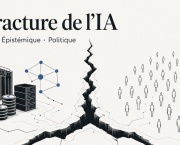
The fracture that is coming
We can already distinguish two types of authors.
On one side, those whose texts are becoming invisible. Their content still exists, but its origin is dissolving. They publish, but progressively lose control of their trace. The text continues to exist, but the author gradually disappears from their own work.
On the other side, those whose texts remain identifiable. Each publication is dated, attributed, traceable, linked to an author identity that is itself certified, even if the author chooses a pen name. The text is not simply published: it is situated in time, in an origin, in a continuity, in a context.
This fracture is not theoretical. It is happening now.
Writing enters an economy of proof
In the coming years, a text will no longer be simply something one reads. It will also become something one can prove. Prove that you are the author. Prove that it was published on a given date. Prove its precedence. Control its use in AI environments that are increasingly interconnected.
We are entering a period where writing is no longer enough to exist, publishing is no longer enough to be recognised, producing content is no longer enough to be identified.
Does your text still truly belong to you?
Regaining control
It is to answer this question that we built Panodyssey.
Not one more platform where your creation is thrown into the stream of others. A space designed to preserve the identity of your texts — identified as original, linked to its author, inscribed in a verifiable timeline, and controllable in its uses in the face of AI systems.
A digital space where every text, every post, every comment is a creative building block in the construction of your work. At Panodyssey, you build.
On Panodyssey, you do not publish posts. You build a work.
Towards a new definition of the author
Being an author no longer simply means writing. It also means existing as an identifiable source in a world where content merges. The author is no longer only the one who produces a text. They become the one whose text can still be recognized as theirs.
In the years to come, a fracture will emerge between those whose texts still exist as identified works, and those whose texts will have been absorbed into an indistinct stream of content.
The question is perhaps no longer simply: What do you want to write?
But also: In a world where content merges, will your work still carry your name?
__________________
For those asking the following question: what is the fundamental difference between a text hosted on Substack and one on Panodyssey?
The answer is: Substack pushes authors to accelerate the stream by publishing more and more, while Panodyssey invites writers to take their time and build their edifice.
Alexandre Leforestier, Founder of Panodyssey and Qobuz
Transparency around
creation, AI use

Main text
ChatGPT Free for the organization of the Text & Claude / Sonnet 4.6
Intellectual property & credits

© Cover Image
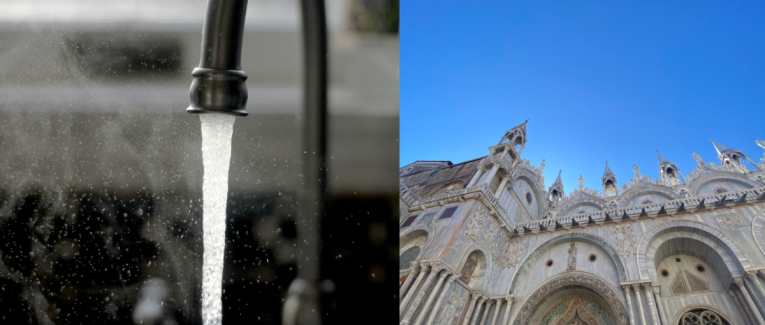
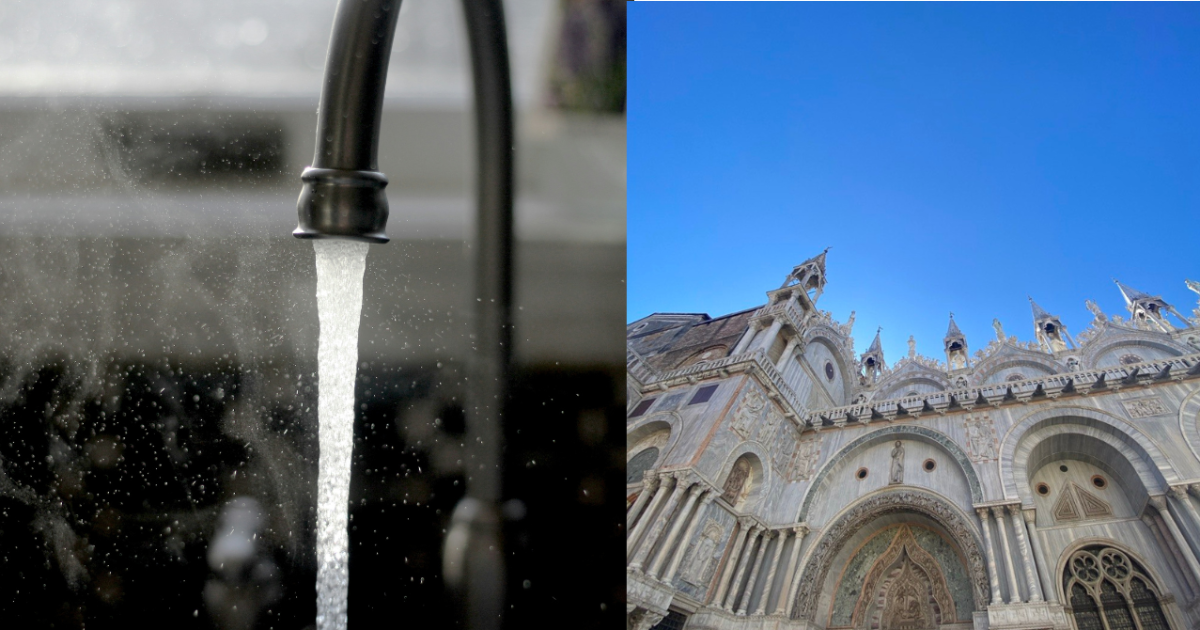
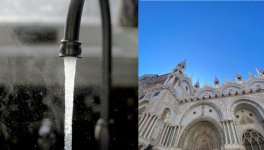
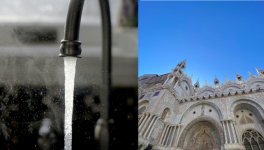
Alexandre Leforestier - Human Creativity - I guess you know Venice )) Water Stream by Imani / Unsplash

© Author's name / pen name
Alexandre Leforestier

© Other images in your text
Alexandre Leforestier - Human Creativity - I guess you know Venice ))
Water Stream by Imani / Free Photo From Unsplash
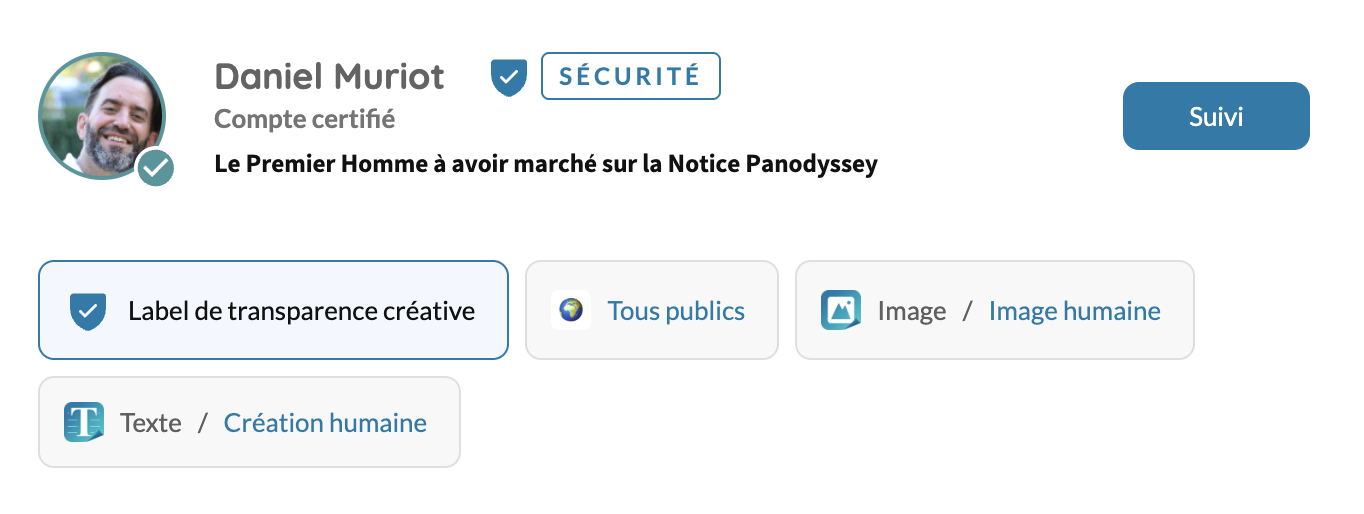
Screenshot from the certified author : Daniel Muriot

Sources, citations, co-authors
Quote by Alexandre Leforestier - Founder of Panodyssey
Creative Commons license

Attribution required, no modifications,
non-commercial use only CC BY-NC-ND
non-commercial use only
The Kitty clause
I am a pure breed creator. You, your breed just leeches. But with the Notice, my dear, you go back to your kennel — otherwise, I have proof of precedence showing you stole / leeched my publication after I told you no through the Panodyssey Notice. This will end badly between you and me. ❤️
Translated From French to English by Claude Sonnet 4.6
Translated From French to English by Claude Sonnet 4.6





 Technik















 Du kannst deine Lieblingsautoren unterstützen






Kommentar (1)
Jeremy Bellamy vor 20 Tagen
Very well written! I actually registered on Substack prior to discovering Panodyssey, and immediately realised that this platform is much more aligned with my own goals and motivations, so I made the switch before even posting. Bravo on all of your work here so far!
Alexandre Leforestier vor 20 Tagen
Thank you so much Jeremy. It’s very nice from you to read this kind of comment and good vibes. I’ll be very happy to create an English speaking banner for the English Store. You can send me via email a « human picture » preferently in High definition + the link of the publication you would like to highlight )) info@panodyssey.com