



 English
 Français
 Deutsch
 Italiano
 Español

Non-fiction
Society
 Veröffentlicht am 12, Juni, 2026
Aktualisiert am 12, Juni, 2026
Veröffentlicht am 12, Juni, 2026
Aktualisiert am 12, Juni, 2026
 5 min
5 min
Non-fiction
Society
Veröffentlicht am 12, Juni, 2026
Aktualisiert am 12, Juni, 2026
5 min


 Creative Transparency Label
 All audiences
 Image /
Human image
Image /
Human image
 Text /
Human creation
Text /
Human creation
 Beitragen
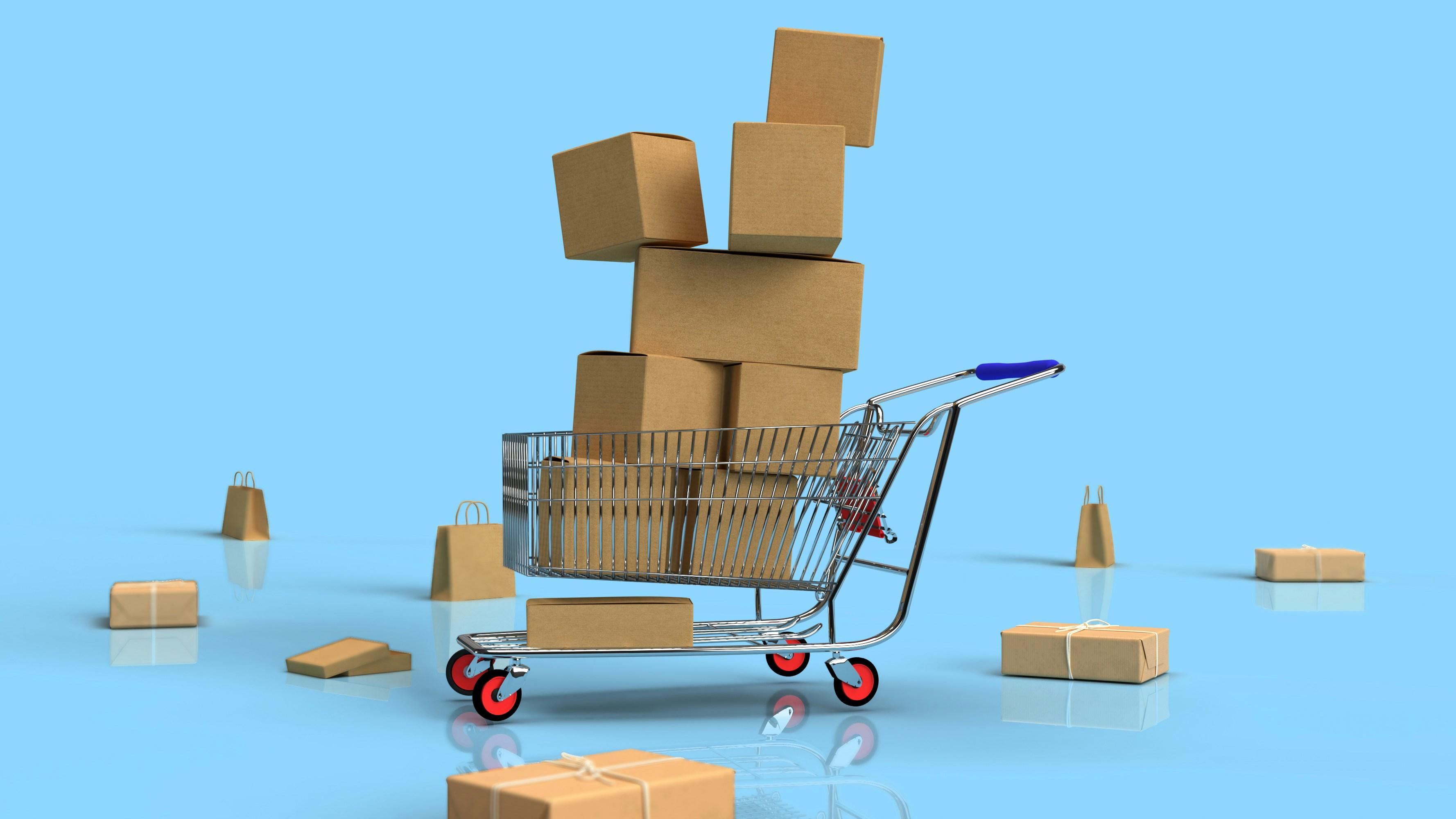
People, planet, politics: the ethics of ethical shopping
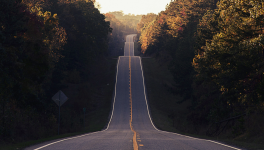
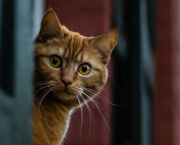
Cover photo by Sasun Bughdaryan on Unsplash.
When you create something called the Ethical Shopper, inevitably you're going to have to explain what you consider to be ethical. So, without further ado, here's the main factors I take into account when navigating the modern consumer landscape.
Some quick disclaimers
Okay, so maybe a little more ado, but there a couple of important disclaimers I'd like to give before we get started.
Firstly, being able to moralize about what you're buying is a luxury, and I know it. If you're struggling financially and you have no choice but to choose what's cheapest or what's available to you right now, then that's totally understandable, and nobody should judge you for doing what you have to.
Secondly, ethics aren't universal. What matters most to me won't necessarily matter most to you, and that's fine too. Ethics is complicated, the world is complicated, and these kinds of judgements are yours to make.
People
A bit of a hot take I know, but I don't like it when people need to work in terrible conditions for very little money, and I especially don't like it when those people are children. You could argue (as many do) that people in developing countries wouldn't have any work if it wasn't for these kinds of jobs, but I don´t think we should comfort ourselves with the idea that other human beings should be grateful for the chance to work in a sweatshop.
For that reason, I try and avoid companies that are known to rely on cheap labour, and actively look for brands that manufacture goods in Europe (partly for political and environmental reasons, which we'll come to, and partly because I can be reasonably sure that people in the supply chain are able to make a living from their work). This is particular relevant when it comes to buying clothes or shoes, but it isn't exclusive to those sectors.
When it comes to goods like coffee, chocolate and bananas that can't be produced in Europe, I try to always opt for Fairtrade certified products, companies with microcredit schemes, or similar. People are working hard their whole lives to build a business that can sustain a decent quality of life for themselves and their families, and I'm more than willing to support that ambition, even if it costs me a Euro or two extra.
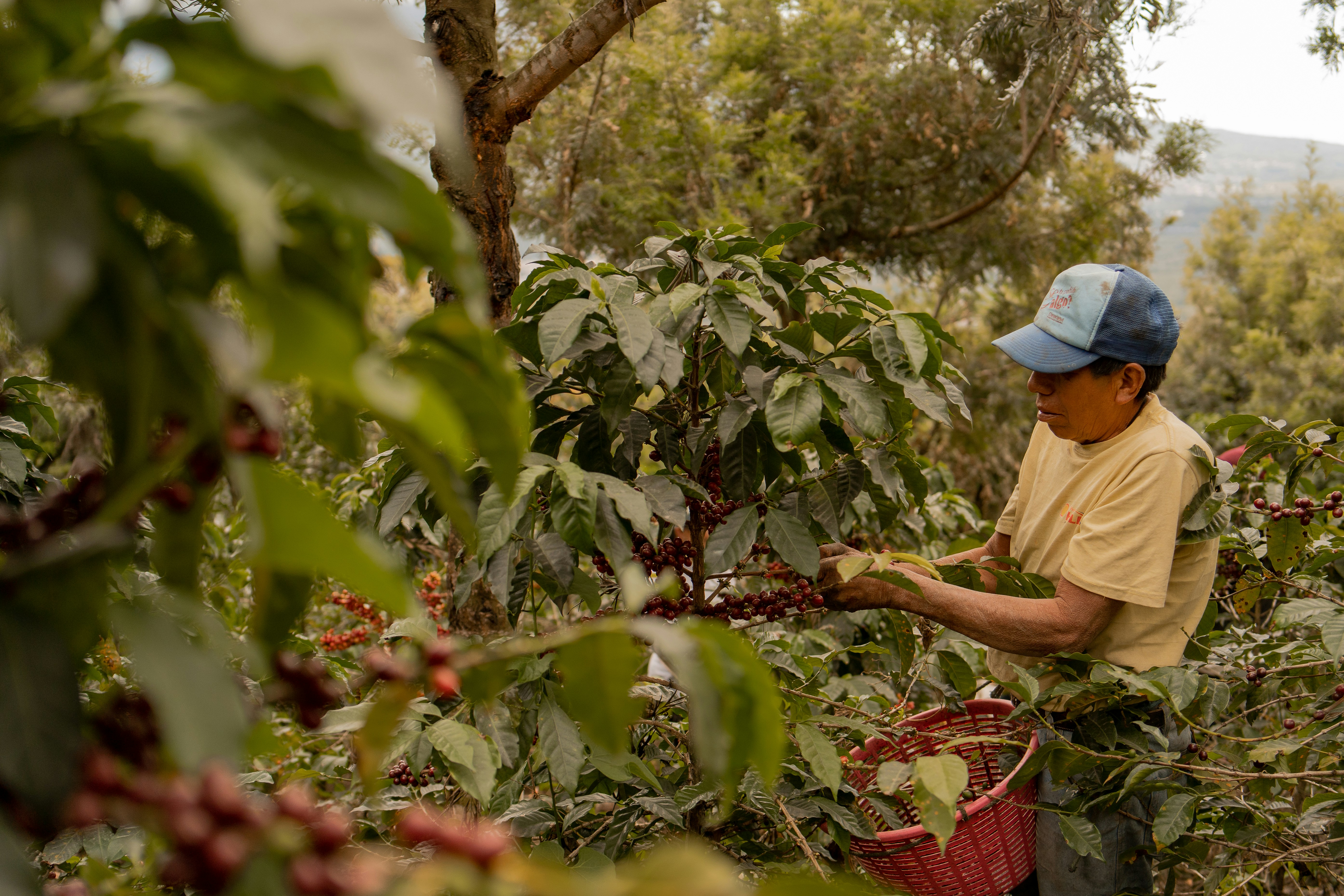
Photo by Shelby Murphy Figueroa on Unsplash.
Planet
As pretty much every single reputable scientist on the face of the Earth can confirm, man-made climate change is happening, and humans are damaging the planet in countless other smaller but nevertheless tragic ways. Think of beaches on remote Pacific islands ending up covered in plastic, cows in the US dying after drinking from PFAS-polluted rivers, cities in Mexico running out of water while bottled beverage producers are opening up new plants in the same areas.
Even here in my own quiet corner of Europe, intensive farming is impacting the local ecosystem, and successive governments have struggled to find a way out of an increasingly emotive situation.
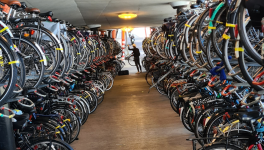
There's a million different ways our daily choices can impact the planet, and there are no easy answers. To name a few examples of things I do (or try to do) to limit my own impact: i moderate my intake of animal products, buy local where possible, avoid unnecessary or impulsive purchases, opt for environmentally-minded energy suppliers, and adapt my own home to be as climate-friendly as possible.
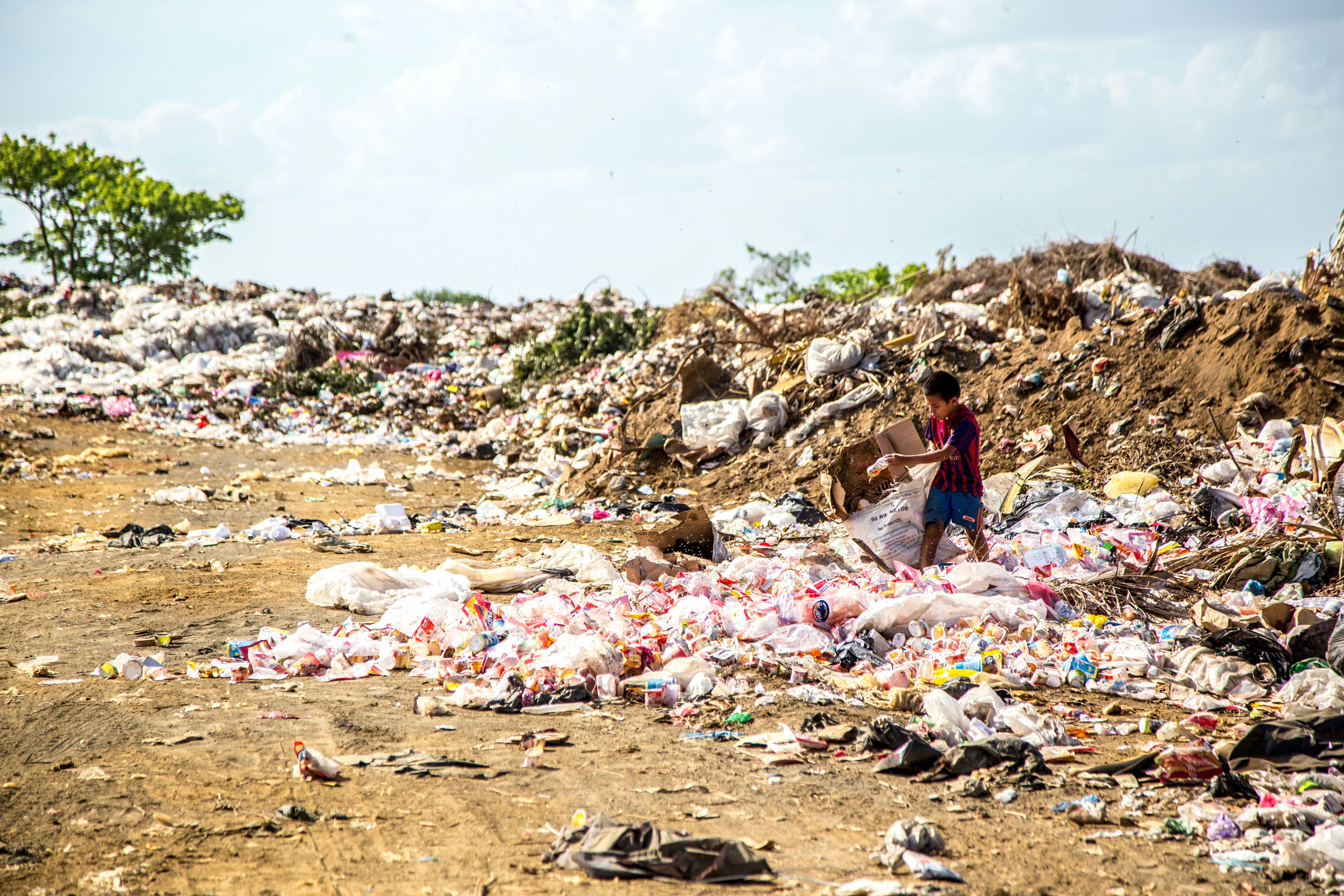
Photo by Hermes Rivera on Unsplash.
Politics
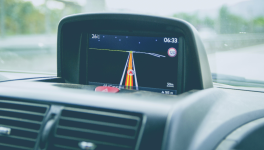
If you buy a product that's from a certain country, inevitably that company or its employees are going to be paying some kind of taxes to the government of that country. So if you buy an iPhone, some fraction of your money is going to end up with the US Treasury. If you buy a BYD car, part of your purchase price will end up with the Chinese government. If your home energy supplier buys gas from Russia, part of your monthly bill is going to end up in the coffers in Moscow.
Sometimes a country will hold a near monopoly on certain product, and many items contain components sources from all over the world, so most choices aren't straightforward, and almost no choice is totally devoid of downsides.
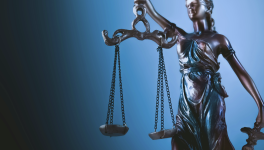
But when I'm considering a purchase, especially a big one, I do try and ask myself- where will my money end up? What might that money be spent on? And is that something I'd be comfortable contributing to?
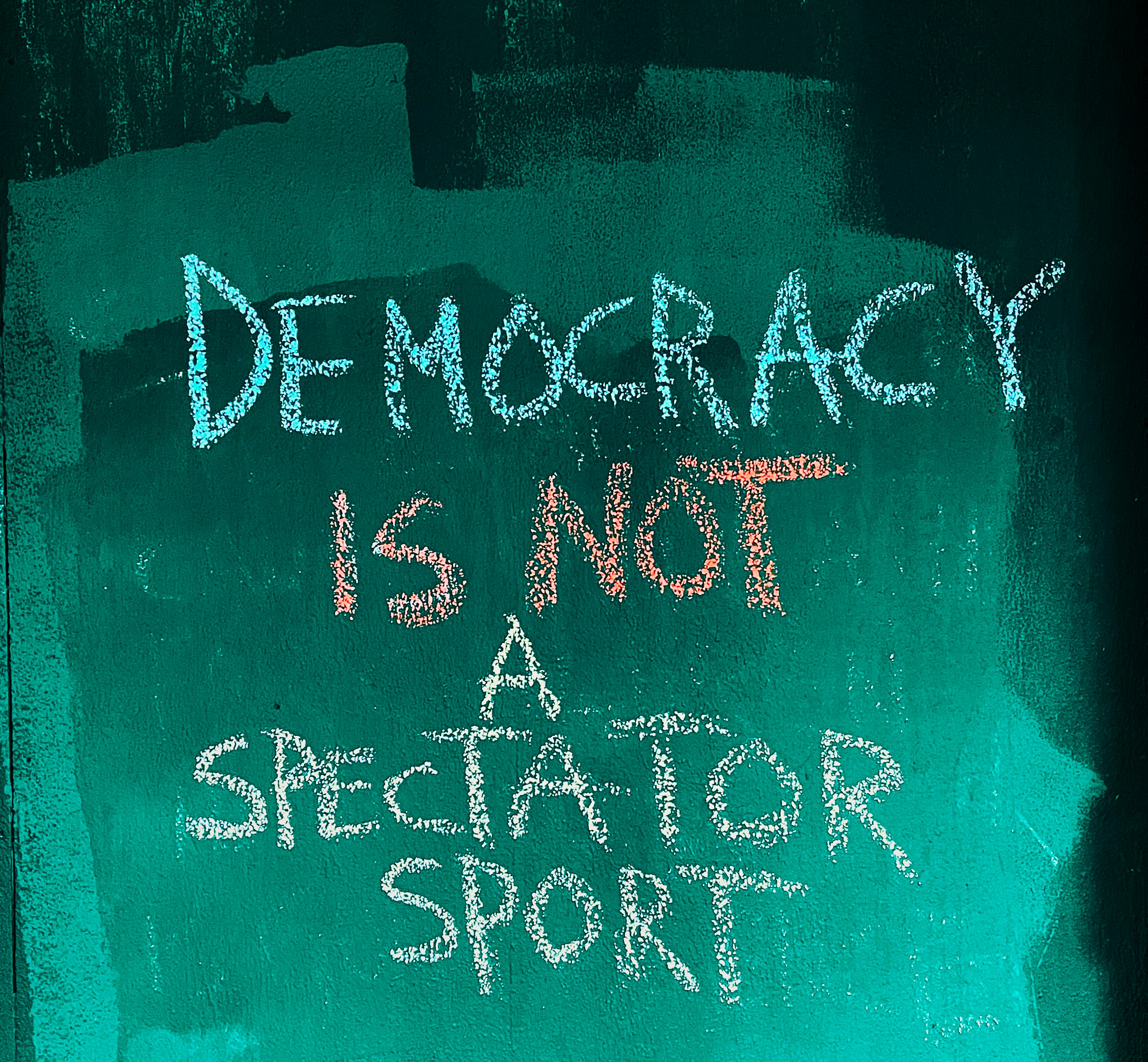
Photo by Jon Tyson on Unsplash.
Wrapping up
I know that I've skimmed over a lot of very complicated issues in a relatively short post, but I hope I've given you some insight into the ethical dilemmas I consider when navigating the 2026 consumer landscape. There are no perfect choices, but these are the metrics I use when trying to make my own choices a little less imperfect.
Intellectual property & credits

© Cover Image
Sasun Bughdaryan

© Author's name / pen name
Jeremy Bellamy

© Other images in your text
Jon Tyson, Hermes Rivera, Shelby Murphy Figueroa
Creative Commons license

Attribution required, commercial
use permitted CC BY
use permitted




 Society






 Du kannst deine Lieblingsautoren unterstützen





Kommentar (0)